Composting in the San Bernardino Mountains:
Turn Food Scraps and Yard Waste into Garden Gold
by Denise Lamonte | July 2026
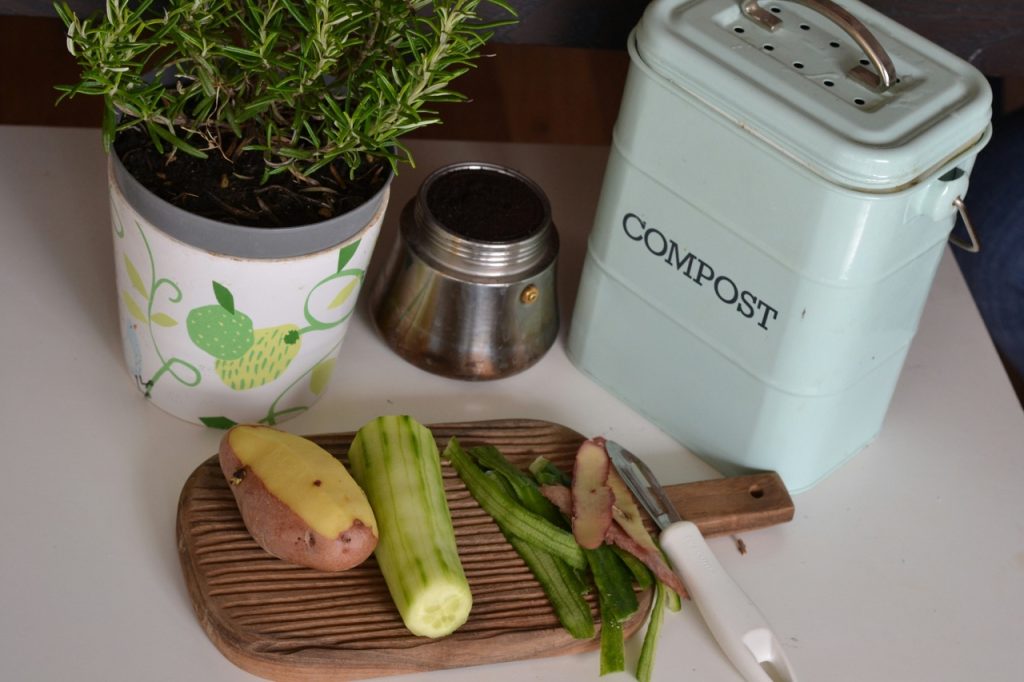
Photo Credit: Lenka Dzurendova
Composting is an easy way to recycle kitchen scraps and yard waste while creating a nutrient-rich soil amendment for your garden. In the San Bernardino Mountains, compost is especially valuable because it improves soil structure, helps retain moisture during the dry summer months, and returns organic matter to mountain soils.
Ingredients
Every successful compost pile needs four basic ingredients: browns, greens, water, and air.
- Browns are carbon-rich materials such as dry leaves, shredded cardboard, newspaper, straw, pine needles, and small twigs.
- Greens provide nitrogen and include fruit and vegetable scraps, coffee grounds, tea leaves, fresh grass clippings, and spent garden plants.
In mountain communities, autumn leaves and pine needles provide an abundant source of browns, while kitchen scraps and seasonal garden trimmings supply the greens. Aim for about two to three parts browns to one part greens for the best balance.
Container
You don’t need an elaborate setup to get started. A simple backyard pile can work well, but many mountain residents prefer an enclosed compost bin or tumbler to help retain heat, keep the pile tidy, and discourage wildlife. Visit the Composting Bins Guide to compare composting systems and choose the best option for your property.
Because mountain communities are home to squirrels, raccoons, bears, and other wildlife, avoid adding meat, dairy, oils, or greasy foods. Always bury food scraps beneath a layer of browns and use a wildlife-resistant compost bin with a secure lid whenever possible. If your composter sits directly on the ground, place a layer of ¼-inch galvanized hardware cloth (wire mesh) underneath it. The mesh allows earthworms and beneficial soil microorganisms to move into the compost while preventing rodents from tunneling up into the pile from below.
Timing
Mountain weather means composting happens a little differently than in warmer valleys. During the growing season, keep your pile as damp as a wrung-out sponge and turn it every week or two to add oxygen and speed decomposition. In winter, colder temperatures and snow may slow or temporarily pause the composting process, but the microorganisms will become active again as temperatures warm in spring.
With the right balance of materials and regular maintenance, compost can be ready in as little as four to six months during the warmer months. If the pile sits through a mountain winter, expect the process to take closer to nine to twelve months. Finished compost is dark, crumbly, and smells like fresh forest soil.
Troubleshooting
If your compost isn’t heating up, develops odors, or seems too wet or too dry, visit the UC Master Gardners Compost Troubleshooting Guide for simple solutions to keep your compost pile healthy and productive throughout the year.
Questions?
Contact ROWIA Board Member, Denise Lamonte. She teaches composting workshops at Heaps Peak Arboretum and earned a Master Composter Certificate of Completion from the Riverside County Department of Waste Resources Master Composter Training (MCT) Program.